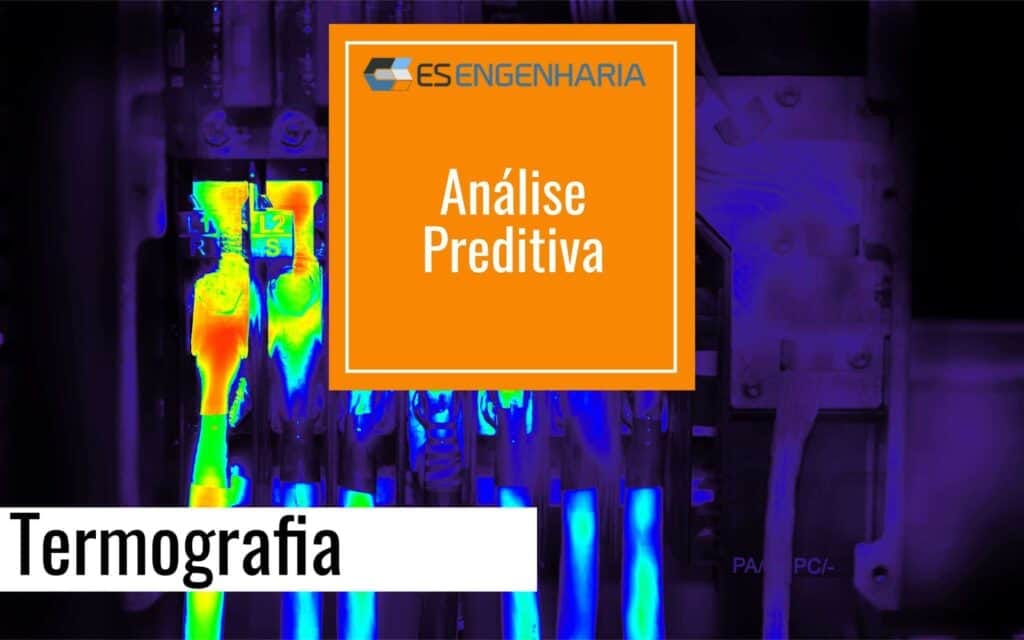
Thermography on Panels and Process Equipment
in Greater Vitória and Region
Non-destructive thermographic inspection with infrared camera on electrical panels, motors, transformers and process systems. Technical report with severity classification and engineer ART.
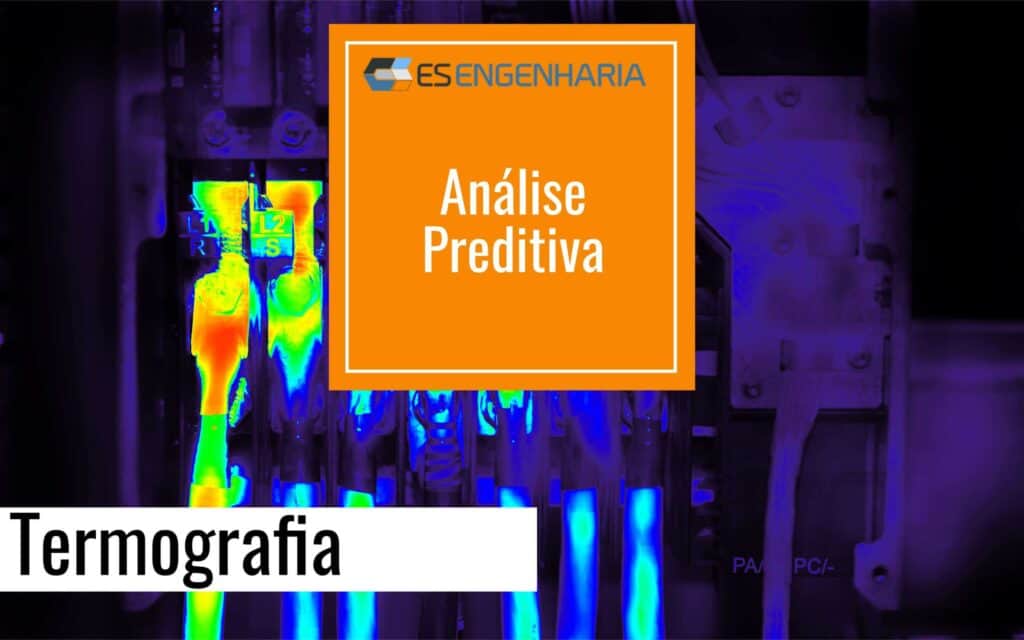
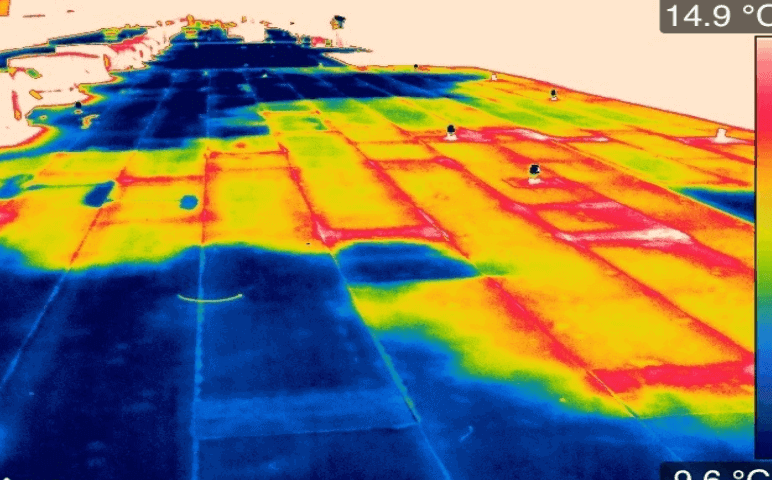
Industrial thermography is a non-destructive inspection technique that uses an infrared camera to map the temperature distribution across the surfaces of electrical and mechanical equipment. Hot spots identified early prevent unplanned shutdowns, fires and catastrophic failures — with the advantage that the inspection is performed with the equipment in full operation, without any need for shutdown.
ES Engenharia performs thermographic inspections on low and medium voltage electrical panels, motors, transformers, rotating equipment, hydraulic systems, steam piping and refrigeration systems in Greater Vitória, the interior of Espírito Santo throughout Espírito Santo. All reports are issued by a qualified engineer with ART available.

Electrical Panels
Thermographic inspection of distribution boards, motor control centers, control panels and drives
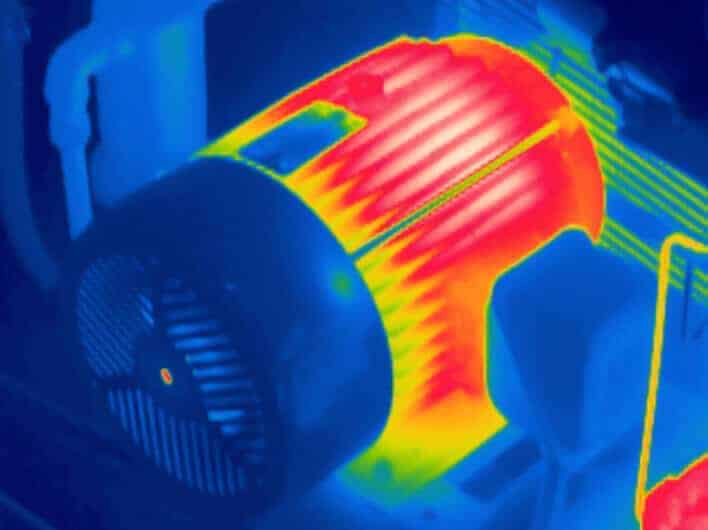
Rotating Equipment
Motors, couplings, bearings and gearboxes in operation
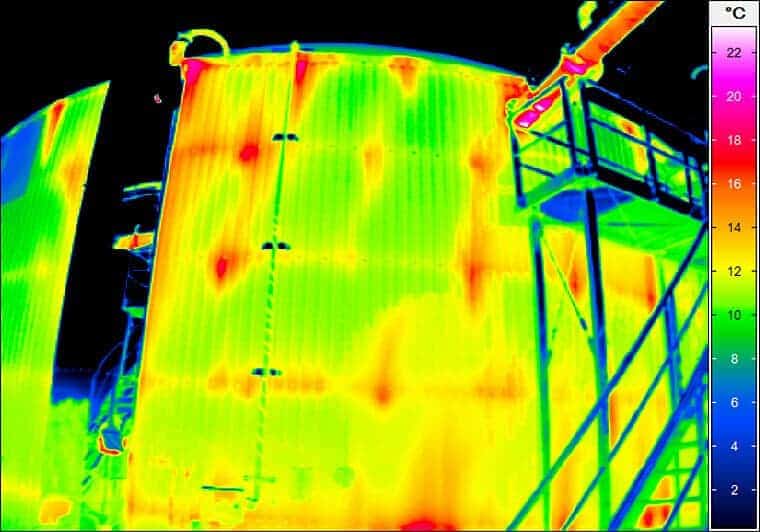
Process Systems
Piping, heat exchangers, valves and steam lines
HVAC Systems
Condensing units, compressors and refrigeration systems
How thermographic inspection works
The inspection is performed by a certified thermography technician or engineer using a calibrated thermographic camera. The equipment is inspected under normal operating conditions, with a representative load, so that temperature variations reflect real working conditions. Each critical point is recorded with a thermographic image and a conventional photographic image side by side.
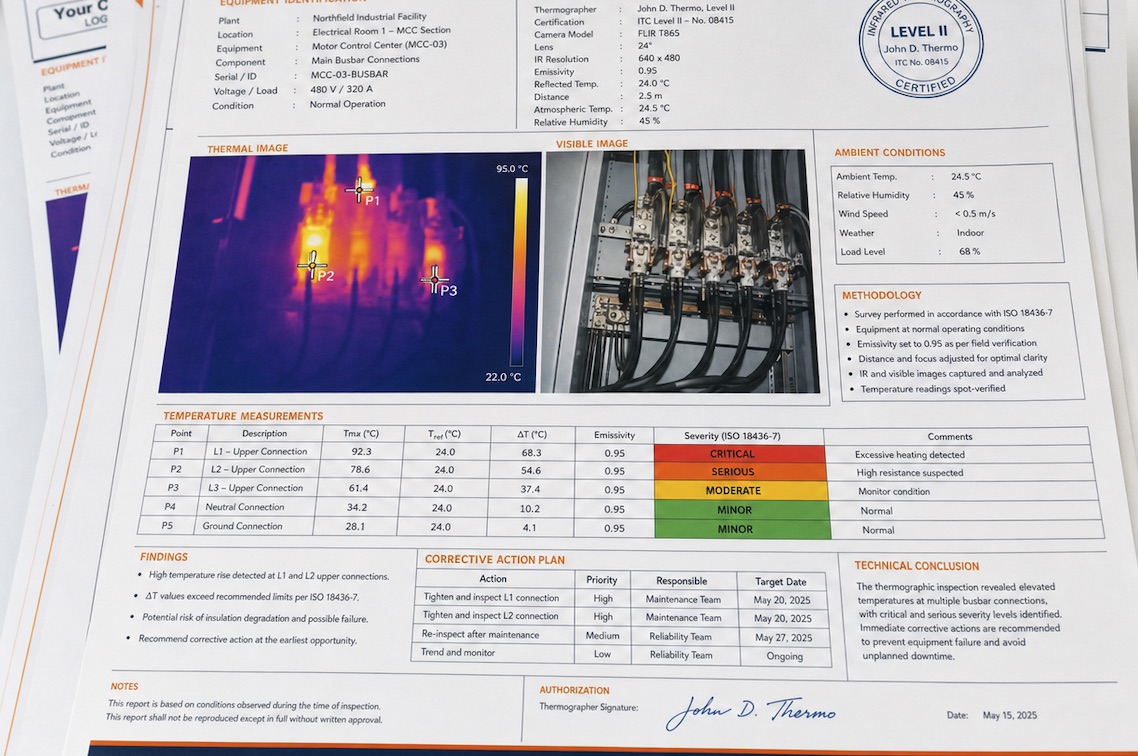
Thermal anomalies found are classified by severity level per the ANSI/NETA standard and the temperature difference relative to the reference: Category 1 (monitor), Category 2 (correct at the next scheduled maintenance cycle) and Category 3 (correct immediately). This classification allows the maintenance team to prioritize interventions in a technical and objective manner.
In facilities subject to NR-10, periodic thermography must be provided for in the Electrical Installation Record. ES Engenharia assists in defining the frequency and integrating the thermographic program into the facility's preventive maintenance plan.
Complete technical report with diagnosis and recommendations
- Thermographic and conventional photographic images side by side for each inspected point
- Maximum temperature, reference temperature and delta-T for each identified anomaly
- Severity classification by category (1, 2 or 3 per ANSI/NETA)
- Technical diagnosis of the probable cause of the anomaly (overload, loose connection, phase imbalance, insulation failure)
- Recommended correction timeframe and type of intervention indicated
- Report signed by engineer with ART available on request
Frequently asked questions about industrial thermography
What is industrial thermography and how does it work? +
Industrial thermography is a non-destructive inspection technique that uses an infrared camera to detect temperature variations in electrical and mechanical equipment. Hot spots indicate overloads, loose connections, phase imbalance or imminent failures — before they cause unplanned downtime or fire. The inspection is performed with the equipment in operation, without shutdown, and results in a photographic report with thermal images and technical analysis.
Which equipment can thermography be applied to? +
Thermography is applied to low and medium voltage electrical panels, distribution boards, transformers, electric motors, refrigeration and air conditioning systems (HVAC), hydraulic systems, steam and process piping, bearings, couplings and rotating equipment in general. In industry, it is especially critical for control and drive panels that, if they fail, halt production.
How often should thermography be performed? +
For highly critical industrial electrical panels, the recommendation is annually per NBR 15966. For critical rotating equipment, semi-annually. In facilities subject to NR-10, the frequency must be stated in the Electrical Installation Record. After thermography, identified non-conformities must be corrected and a re-inspection performed for confirmation.
Does ES Engenharia issue a technical report with ART? +
Yes. The ES Engenharia thermography report includes: thermal and photographic images of each inspected point, maximum temperature identified, technical diagnosis, severity level (category 1, 2 or 3 per ANSI/NETA) and recommended correction timeframe. Reports signed by an engineer with ART available on request.
How do I schedule a thermographic inspection? +
Contact us via WhatsApp at (27) 9.9798-8642 providing: city, type of facility (industrial, commercial, substation), approximate number of panels or equipment and the preferred period for the inspection (preferably with the installation at maximum load).
Service Areas
Atendimento somente no Espírito Santo. Consulte as páginas locais para preparar sua solicitação.
Espírito Santo ES +
Afonso Cláudio • Alegre • Anchieta • Aracruz • Barra de São Francisco • Cachoeiro de Itapemirim • Cariacica • Castelo • Colatina • Domingos Martins • Fundão • Guarapari • Ibatiba • Iconha • Itapemirim • João Neiva • Linhares • Marataízes • Mimoso do Sul • Muniz Freire • Nova Venécia • Piúma • Santa Maria de Jetibá • Serra • São Mateus • Venda Nova do Imigrante • Viana • Vila Velha • Vitória
Critical equipment?
ES Inspection.
Request a no-commitment quote. Send your details to receive a proposal with technical scope and execution timeline.